Sydney fire safety is more than just checking boxes. The Annual Fire Safety Statement is the heart of the system. It is not just a way to meet the legal standards, but also displays the building owner’s commitment and commitment to security. When paired with a Fire Safety Certificate, it is the base of an organized framework that keeps occupants safe, insurers reassured and council members confident about their confidence in the quality of city’s buildings.
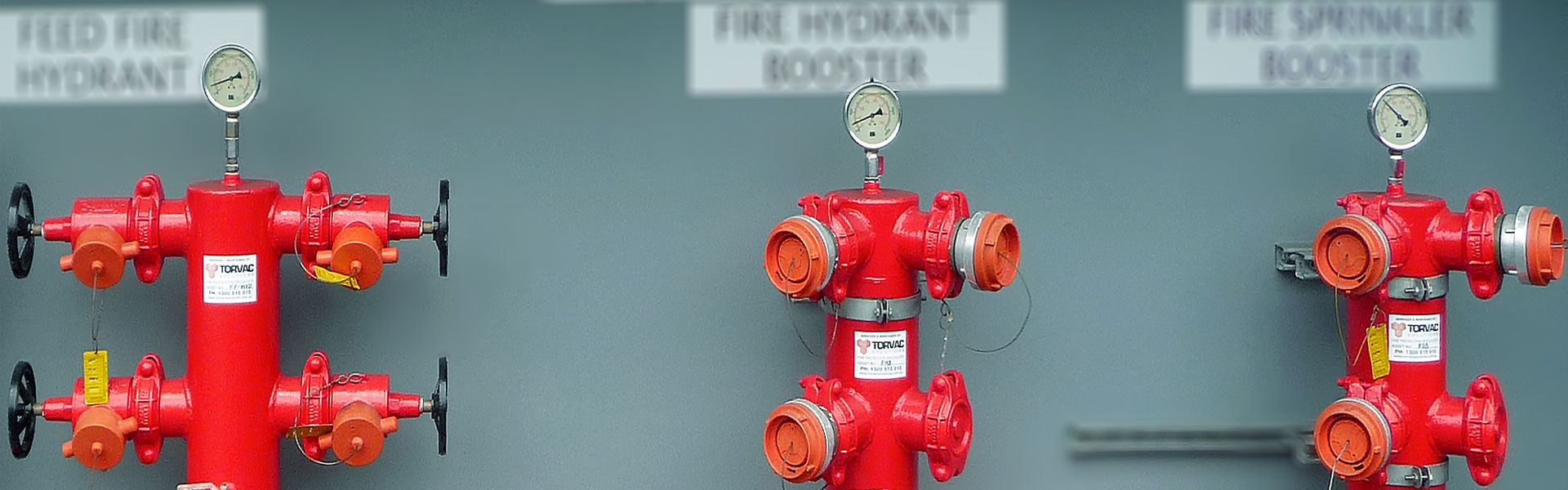
What is the reason for an annual Fire Safety Statement
The requirement for an annual Fire Safety Statement Sydney was not originally designed to be an exercise that could be done on paper. Fire protection systems can only be efficient if they’re maintained regularly tested, certified and verified. A sprinkler put in place ten years ago might seem fine but without an inspection, there’s no way to guarantee that it will turn on in the event of an emergency.
The AFSS demands that property owners demonstrate, at least once a year, that their fire protection measures, ranging from alarms to hydrants, and even lighting for exits, meet the standards that were originally established by the Building Code of Australia. It’s not just an inspection. It’s a public declaration that lives are secure and that the structure can be able to stand up to an emergency.
What’s the main difference between AFSS and Fire Safety Certificates?
Owners often confuse the Fire Safety Certificate with the annual statement, but these two certificates serve distinct purpose. The certificate is given once the system has been installed or major improvements have been completed. It ensures that the newly installed measures comply with regulations before a building or tenancy can be utilized. The AFSS follows after. It’s a recurring duty that ensures the systems comply with requirements each year.
They establish a cycle of protection when they are combined: the certificates confirm that the safety systems were installed properly and the annual audits prove that the safety systems have been maintained throughout the life of a building. A failure to complete each step can weaken the whole chain.
The responsibility of building owners
The AFSS in New South Wales has a distinct feature that puts all responsibility for this process onto the homeowner. The AFSS process is different from other systems of compliance which allow for defects to be categorized into minor and major. If even one measure fails then the entire document cannot be validly issued.
Owners must be proactive. They should schedule inspections, engage certified experts, schedule repairs, and submit documents with council – all while observing strict deadlines. Commercial landlords and strata councils are also accountable for coordinating with contractors, tenants and insurers, and contractors. This structure, while challenging but is designed to make sure that safety isn’t affected or delayed.
The Impact of AFSS on Sydney
Beyond compliance with law Beyond legal compliance, the AFSS has broader implications. When renting spaces, tenants are often asked about the safety statements of the building. Insurance companies often require an affidavit prior to deciding on their insurance coverage. A current Annual fire safety statement can therefore influence property value, tenant confidence, and even insurance premiums.
Councils can be reassured that the tens of thousands of Sydney buildings are constantly monitored. For fire authorities the system is more likely to operate in real emergencies, which reduces hazards for both the occupants of the building and firefighters. In essence, the AFSS does not just focus on safeguarding individual buildings, it is also about creating a safer and more secure city all around.
Conclusion: AFSS is a Standard of Trust
The annual statement on fire safety Sydney requirements may appear to be a hurdle for bureaucratic reasons However, in reality it’s a test of confidence. It demonstrates that fire safety isn’t left up to the chance. It proves the dependability of equipment, and that homeowners are accountable to ensure the security of their inhabitants. This certificate, when used with a Fire Safety Certificate completes the system of confirming both the safety measures that are in place as well as their performance over time.
Owners of property can learn an important lesson: AFSS are more than just a simple date. It’s an obligation to the community trust, safety and accountability. The AFSS is essential in Sydney’s rapidly growing urban landscape in which thousands of residents depend on reliable and safe structures.